When people ask me about planning a trip to the Red Centre and the wider Northern Territory, I start with a simple fact: this part of Australia just doesn’t play by the same season rules as most Europeans do.
Forget “summer, autumn, winter, spring” – Central Australia, from Alice Springs out through to Tennant Creek and the Barkly Tablelands, has its own internal clock all about desert temperatures, water flow, and how plants and animals behave.
And the truth is, if you work out when to visit, you can avoid the worst of the heat, avoid getting eaten alive by the mozzies, and actually get a chance to appreciate those massive desert skies without it feeling like you’re getting fried.
How the Red Centre’s Weather Patterns Work
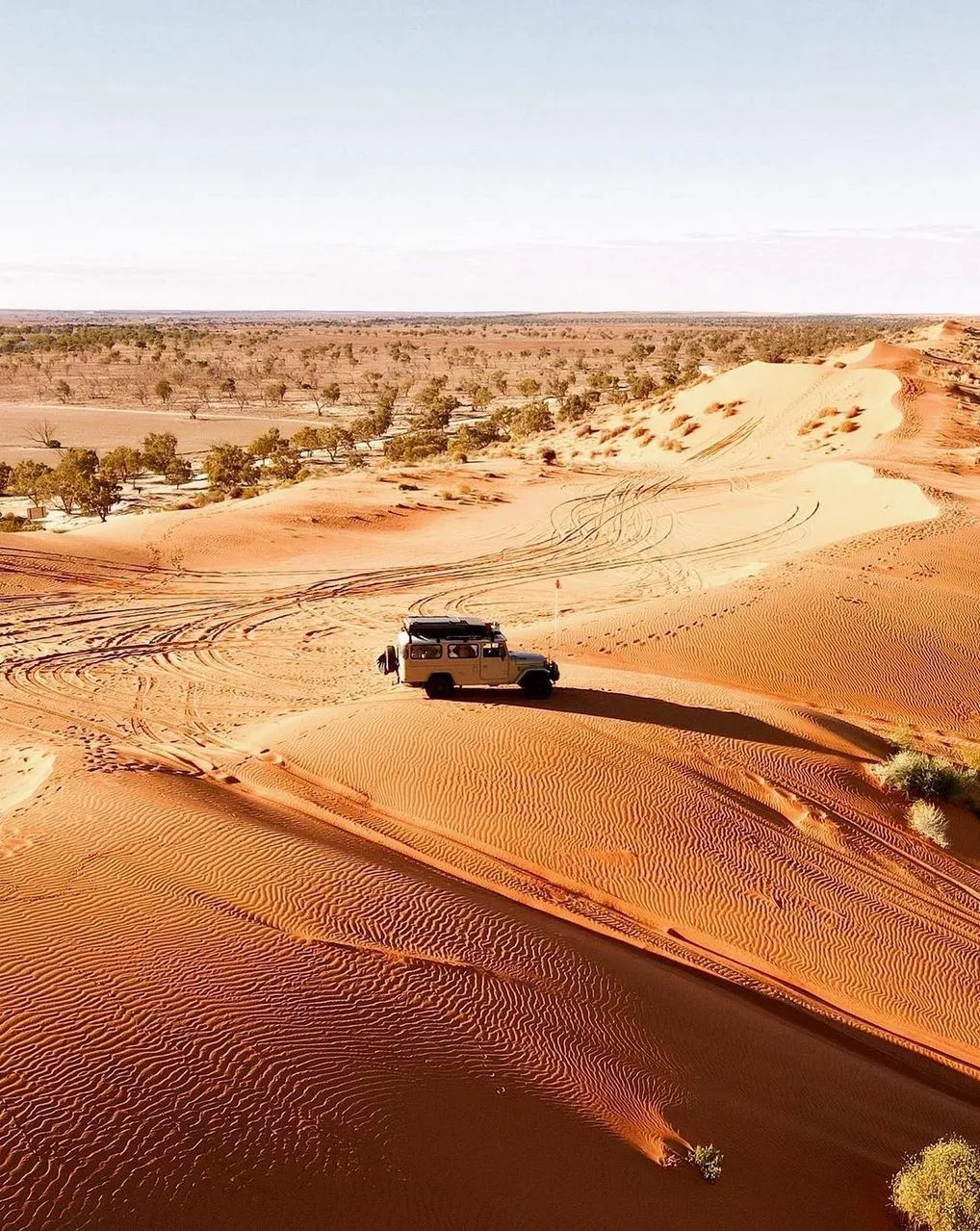
f you head to Alice Springs expecting your run-of-the-mill Aussie weather patterns, you’ll soon learn – usually by sweating through the whole front of your shirt – that Central Australia’s dry season, wet season, and the bits in between flat out ignore the rules.
The temperature can swing wildly in the desert, it can bucket down in a sudden downpour, and even after a day that hits 40 degrees, nights can be so cold they’ll nearly cut you to the bone.
Local guides often talk about three distinct tourist seasons – The Dry (May to September), The Build-Up (October and November), and The Wet/Storm Season (December to March).
These do roughly match the way the Australian Bureau of Meteorology explains the climate patterns, but the Indigenous seasonal calendars – the kind of system that uses a Rain Bird as a cue and indicates all about water availability and food – paint a whole lot more accurate picture of what’s really going on on Country.
Below is a basic breakdown of how the Bureau of Meteorology puts it – and keep in mind that desert rain can do a complete 180 in a heartbeat, thanks to monsoonal rains rolling down from the Top End or a tropical storm just popping up offshore.
Seasonal Climate Overview (Table for Quick Planning)
| Season | Months | Avg. Day Temp | Avg. Night Temp | Rainfall (approx.) | Traveller Impact |
|---|---|---|---|---|---|
| Dry Season | May–Sept | 18–28°C (average temperature) | 0–10°C | 5–20 mm/month | Cool nights, great for hiking, busy parks |
| Build-Up | Oct–Nov | 30–40°C | 15–22°C | 10–30 mm/month | Extreme heat, early storms, rising humidity |
| Wet/Storm Season | Dec–Mar | 35–45°C | 20–28°C | 40–70 mm/month | Flash floods, lightning strikes, and road closures |
The Dry Season Explained
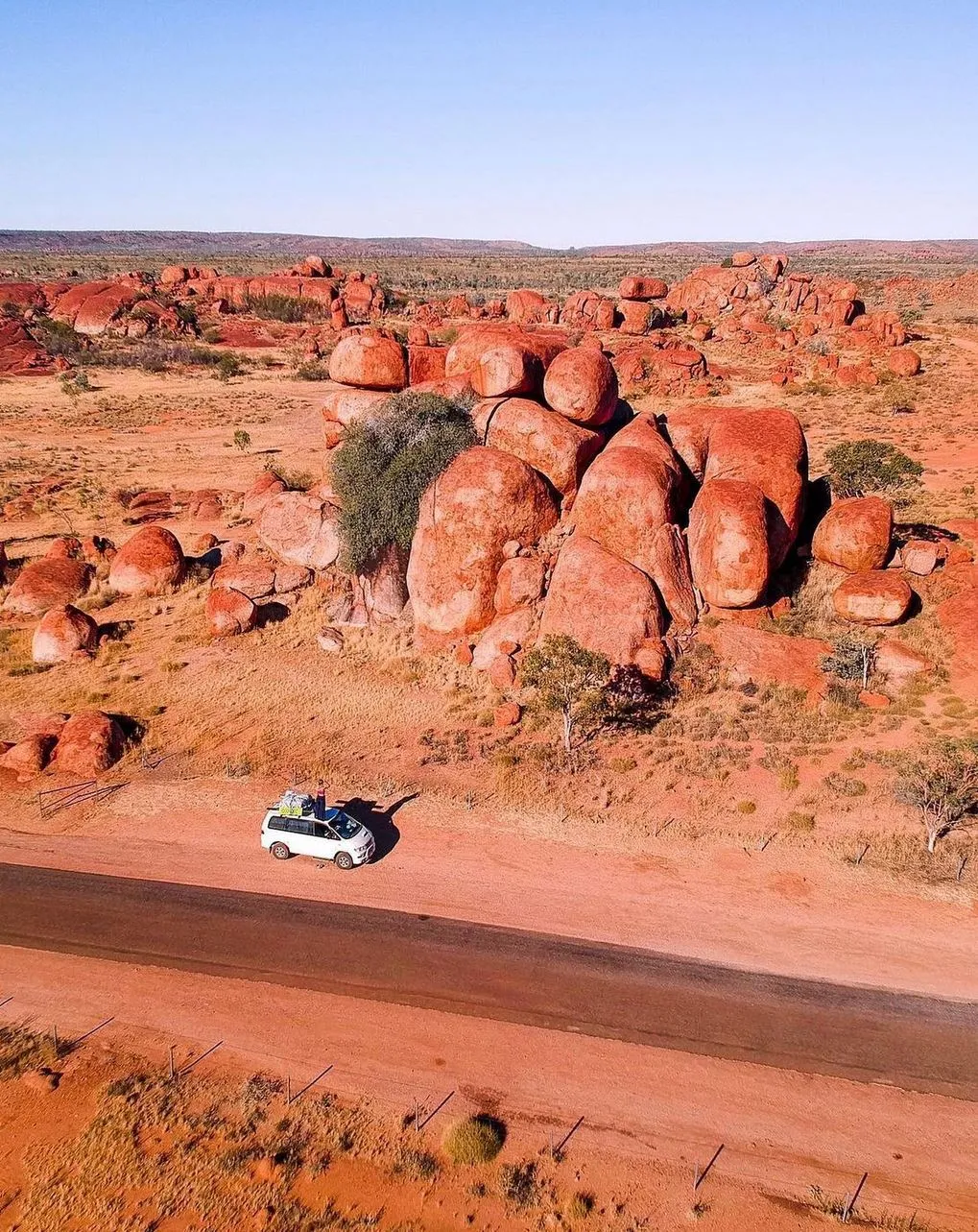
The Dry season is when the Red Centre really comes alive.
You can expect endless blue skies, low humidity that makes long hikes easy and waterholes that start to come to life, bringing in the wildlife like the Red-tailed Black Cockatoo (Calyptorhynchus banksii) – which, let’s be fair, is a pretty cool sight.
And even though the UV is still pretty high, the cool desert air keeps everything ticking over in a nice, predictable way.
But don’t get too comfortable – those nights can be a bit chilly.
I’ve had to boil the billy on more than a few mornings with frost still clinging to my swag, watching newbies wondering how a place that hits 28 degrees by day can suddenly plummet to zero before dawn.
Best bits of the Dry:
- Those crisp morning sunrises around Ayers Rock are something else.
- With low humidity and no flies (well, not as many anyway), it’s a great time for long walks like the Kings Canyon Rim.
- The clear nights are perfect for getting a glimpse of the Milky Way and the Seven Sisters.
- Bring a decent set of winter layers, just to be on the safe side.
Things to plan for:
- Pack for winter, even if you still get that Aussie summer sun
- Expect crowds at the big Red Centre sites
- It can get pretty rough at night, so make sure you’re prepared
Heat and Storm Build-Up Period
The Build-up is when the desert really starts to get going.
The Red Centre is starting to feel a lot more like the Top End as humidity creeps up.
The heat starts to rise, plants start pumping out nectar like crazy, and the desert critters start doing their best to cope with the rising temperatures.
Storm clouds start gathering over the ranges, and lightning starts flashing across the horizon.
This is when the weather forecast can get a bit tricky – the Bureau’s meteorologists have to work with shifting monsoonal patterns, atmospheric instability, and sea temperatures hundreds of kilometres north of Arnhem Land.
Challenges:
- Long walks after mid-morning are pretty dodgy
- The flies start coming back out in force
- The humidity can get pretty high, even before the rains come
Best suited for:
- People who love photographing storms, or just want to see the desert in all its dramatic, energy-charged glory before the rain sets in.
Wet Season Changes Across the NT
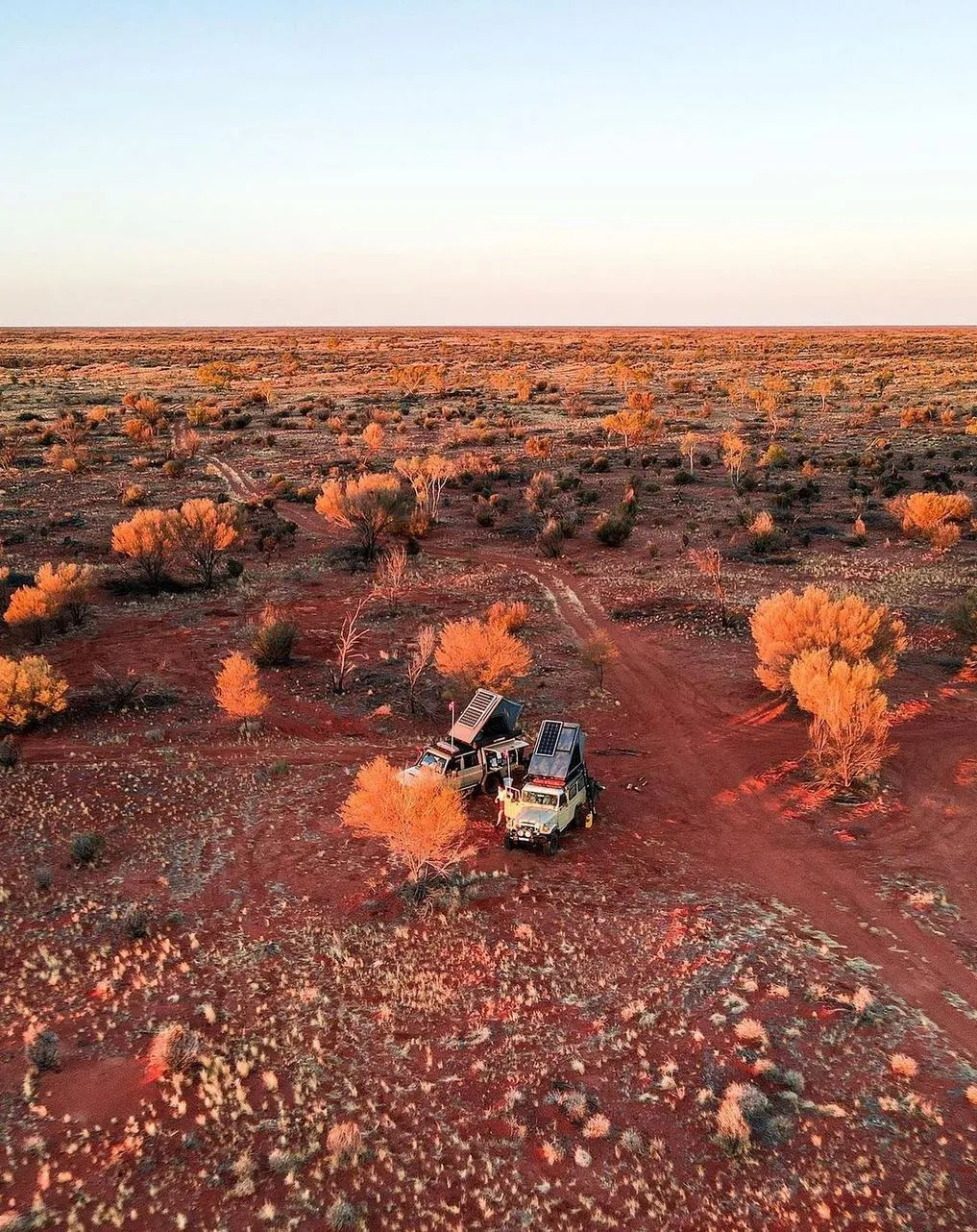
When the Wet season finally arrives, the Red Centre delivers in spades.
A massive storm front sweeps down from the Top End, and in a matter of hours, the landscape transforms overnight.
The ancient water courses come roaring back to life, and it’s not uncommon to spot long-necked turtles like the Chelodina oblonga in the temporary wetlands that suddenly pop up all over the place.
This is also the time when stories like Rain Dreaming become so easy to picture in the mind – water reshaping the landscape in the same way it has been doing for tens of thousands of years.
Lightning storms really do erupt over Uluru, and I’ve been lucky enough to see the usually quiet desert come alive with water cascading down the rock faces in a frenzy.
What to expect during the Wet season:
- Afternoon storms, which bring heavy rain and some road closures.
- Unpredictable driving conditions – especially beyond Tennant Creek.
- Wildlife becomes a lot more active, even spotting a Tiger quoll in one of the more remote areas.
- Flash flooding in gorges.
And here’s the good bit:
- The roads are a lot quieter
- The desert really does look lush and beautiful
- And the photography opportunities are simply amazing
Month-by-Month Climate Snapshot
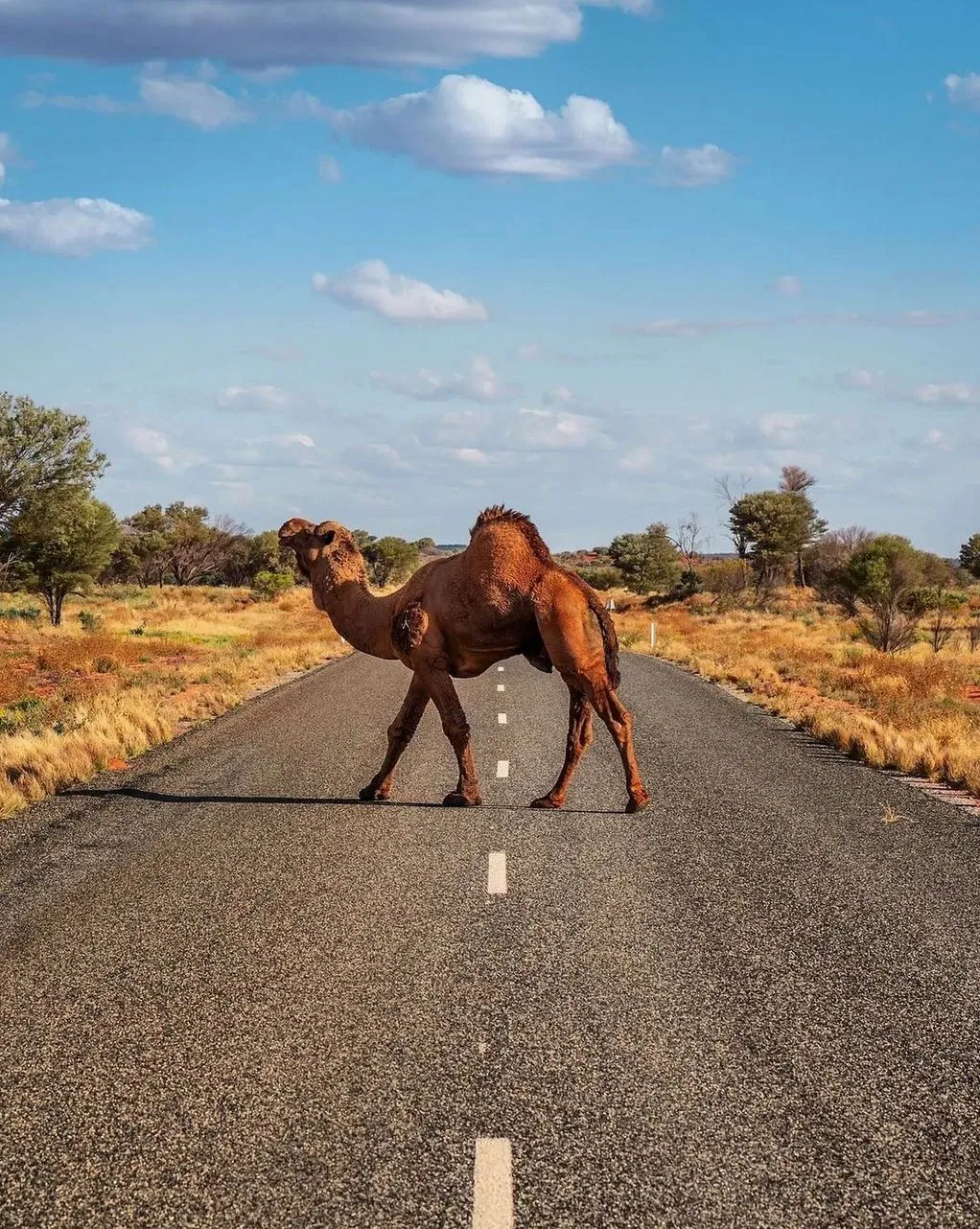
I’ve combined my own experiences and Bureau of Meteorology data to give you an idea of what to expect across Alice Springs, the Red Centre, and the Stuart Highway.
January
Stormy wet weather, hot days and nights and lots and lots of water everywhere.
We get these big tropical storms rolling down from the Top End.
February
Same as January, really, just with more lightning and some of those amazing ephemeral wetlands popping up.
March
It’s still pretty humid, but the storm activity starts to die down a bit – just in time for some lovely plants like the Bush Plum to fruit in some areas.
April
This is a really interesting time of year – warm days and cool nights, with the desert looking particularly magical.
May
And then it’s the dry season.
Lovely desert temperatures to enjoy.
June – July
It gets a bit chilly at night, but the Milky Way is simply stunning, and hiking is really great at this time of year.
August
Peak conditions – and we have some amazing displays of the Honey Grevillea flowering, which in turn brings all the birds out in force.
September
Things start to heat up a bit, and we get the first sign of flies, but the Bush Banana and Bush Potato are definitely worth keeping an eye out for.
October
The Build-Up storms start to appear on the horizon, with some really dramatic skies to enjoy.
November
The storm clouds are really starting to gather now, and we can expect some big spikes in humidity – and even the first signs of monsoonal rains.
December
Proper Wet season.
Road closures, thunderstorms and lightning displays that you’ll be talking about for years to come.
Travel Tips for Dealing With Weather Shifts
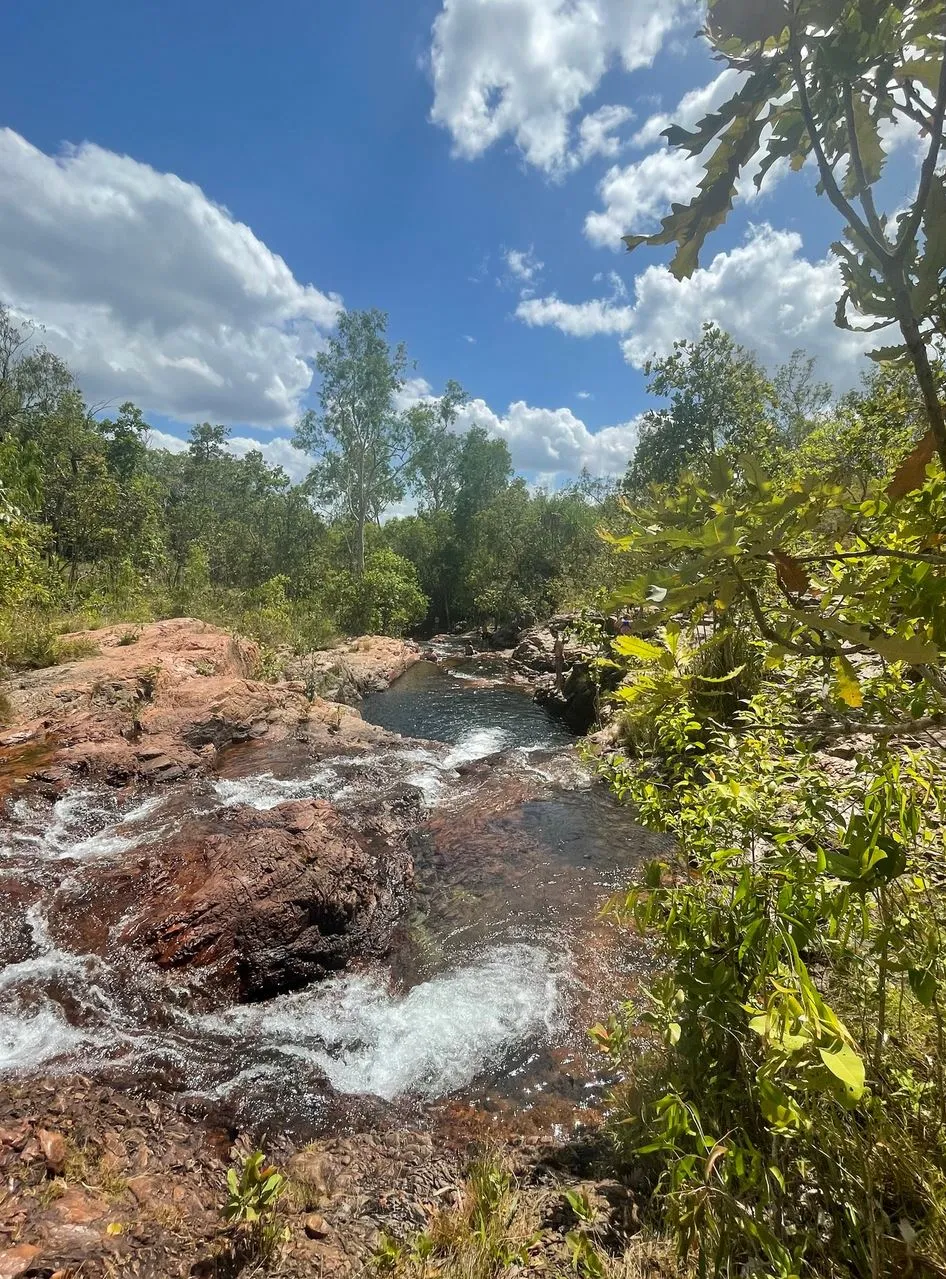
A few hard-won rules from countless dusty kilometres across the Northern Territory:
- Start walks early
- You dont want to be out in the sun when its hot enough to make flatback turtles change their routine in the hotter months.
- Carry more water than you think necessary
- Desert heat can sneak up on you before you know it; water is your lifeblood in this bit of country.
- Check the NT road reports
- Rain can shut down tracks to Cox Peninsula and Gunn Point, and even some sealed highways.
- Respect Traditional Owner guidance
- People like Uncle Graham OAM remind you that this country has its own rhythms – you’re just travelling through a living system that’s been shaped by all the seasonal cues – wudaru wangara, thayi wangara, and all the rest.
- Don’t trust your GPS too much
- The Northern Territory has a wicked sense of humour when it comes to navigation.
Common Traveller Mistakes
- Underestimating just how cold it can get at night – the desert will soon show you the error of your ways.
- Ignoring storm warnings – water moves fast in these parts.
- Thinking the Wet only affects the Top End – Central Australia gets flooded too.
- Not taking the time to learn some local seasonal knowledge – knowing the storm cues (Gurrulwa guligi) will help you read the country a lot better.
My Pick for the Best Time to Visit
I always vote for August – the average temps are just right, the sugarbag bees are hard at work on their honey grevillea, the weather is stable, and the big open desert skies make you want to grab a billy and sit back and watch the light change over the MacDonnell Ranges.
Wrapping Up Your Weather-Smart NT Adventure
Central Australia rewards those who travel with an eye on climate, Country, and the deep seasonal knowledge carried by Aboriginal peoples.
Whether you’re chasing storm clouds, dry season walking tracks, or dramatic Wet-season waterfalls, there’s a perfect moment waiting for you out here in the NT.
And if you’re planning a Red Centre tour and want help choosing the best season, operators like AutopiaTours offer options that match your timing and comfort level.
FAQ
Is winter the best time to visit Uluru?
Yeah, that’s the one – it lines up with the dry season, and you can walk around Ayers Rock and Kata Tjuta safe in the knowledge that it’s not unbearably hot.
How hot does it get in the middle of summer?
It can easily get above 40, and the humidity really starts to kick in when the monsoonal rains start rolling in from the Top End.
Do the roads tend to close a lot during the Wet?
Yeah – especially around the Barkly Tablelands and any of the unsealed roads.
Can I swim anywhere safely?
Some gorges are okay for swimming, but always check conditions after a storm, just to be sure.
Are the flies really that bad?
Yeah, they’re pretty terrible! Bring a headnet if you don’t want to be snacking on flies all day.