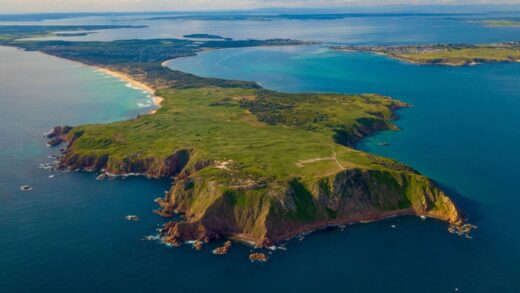
Kakadu National Park, a dual World Heritage-listed site, is one of the most biodiverse and culturally significant Australian destinations. Located in the Arnhem Land-Kakadu region, it includes stone country, monsoon forests, savanna woodlands, and freshwater ecosystems, home to thousands of plants and a wide range of animals. Managed by Parks Australia and the Aboriginal owners, who use traditional knowledge and land management practices passed down through generations.
But the park is now facing urgent and escalating climate change impacts. From sea level rise and saltwater intrusion to extreme weather events, the effects of climate change in Kakadu are far-reaching. This article looks at the major climate change impacts, park management response and what you can do as a responsible visitor.
Temperature
The average temperature in the Top End has increased significantly over the past few decades. Temperature rises are causing heat stress in vulnerable species, drying out wetlands and increasing fuel loads, which leads to more intense and frequent bushfires. These changes are having a negative impact on woodland ecosystems and natural values.
Longer dry seasons are affecting water availability across the park, from Yellow Water Billabong to the Mary River and Alligator River systems. Kakadu National Park is seeing changes in the pattern of rainfall, reducing the abundance of species that rely on annual wet season replenishment.
Sea Levels
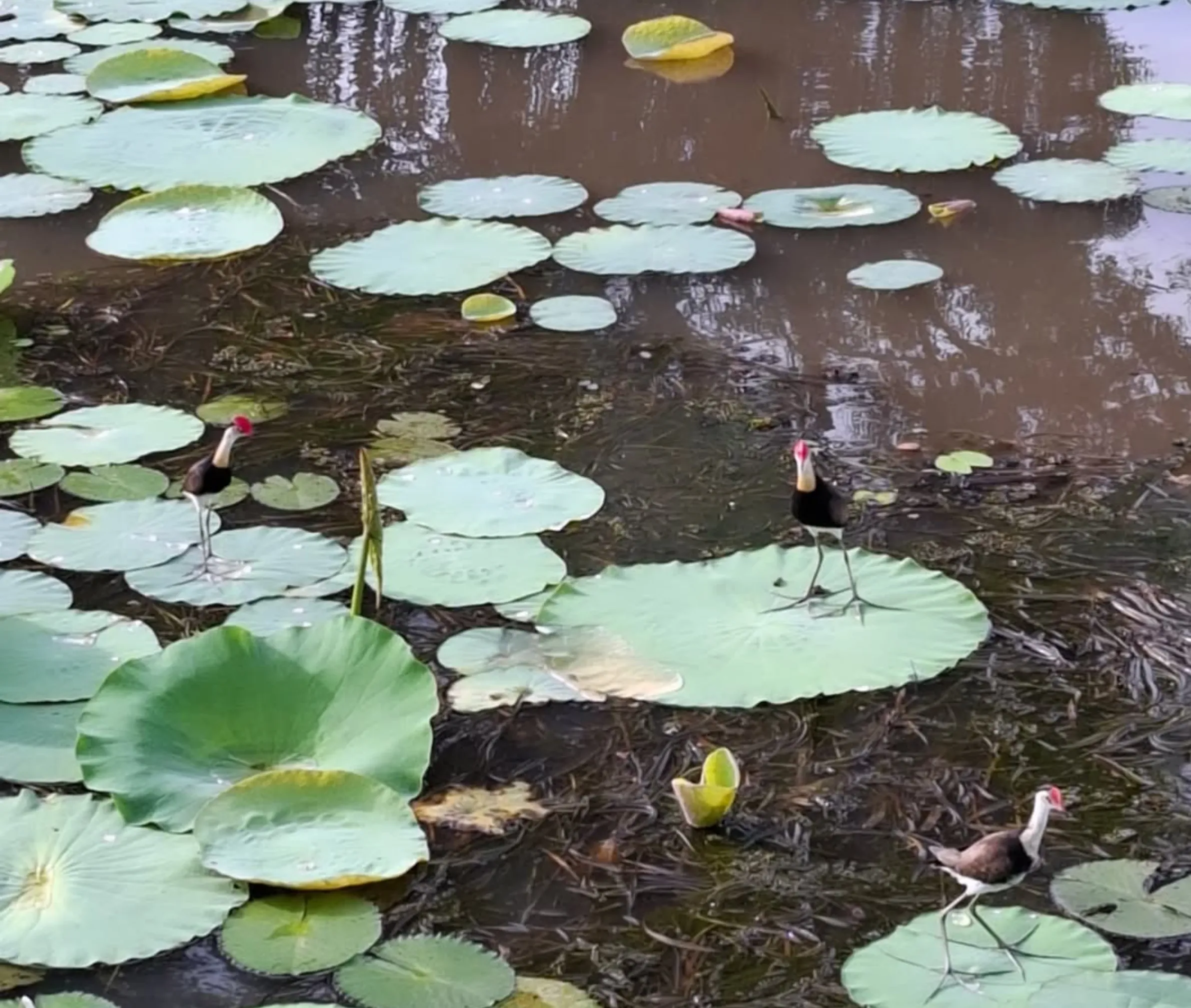
Kakadu’s globally important wetlands—especially around the Yellow Water Wetlands—are under threat from sea level rise and saltwater intrusion. Brackish and salt water is moving inland, damaging vegetation and impacting aspects of water quality. This saltwater intrusion into wetlands scenario is degrading habitats for migratory birds, frog species and native species like magpie geese and northern quoll. Dead forests—caused by high salinity—are becoming more common across low-lying floodplains. The Intergovernmental Panel on Climate Change and Climate Council have identified Kakadu as a case study in the impacts of climate change on Australian ecosystems.
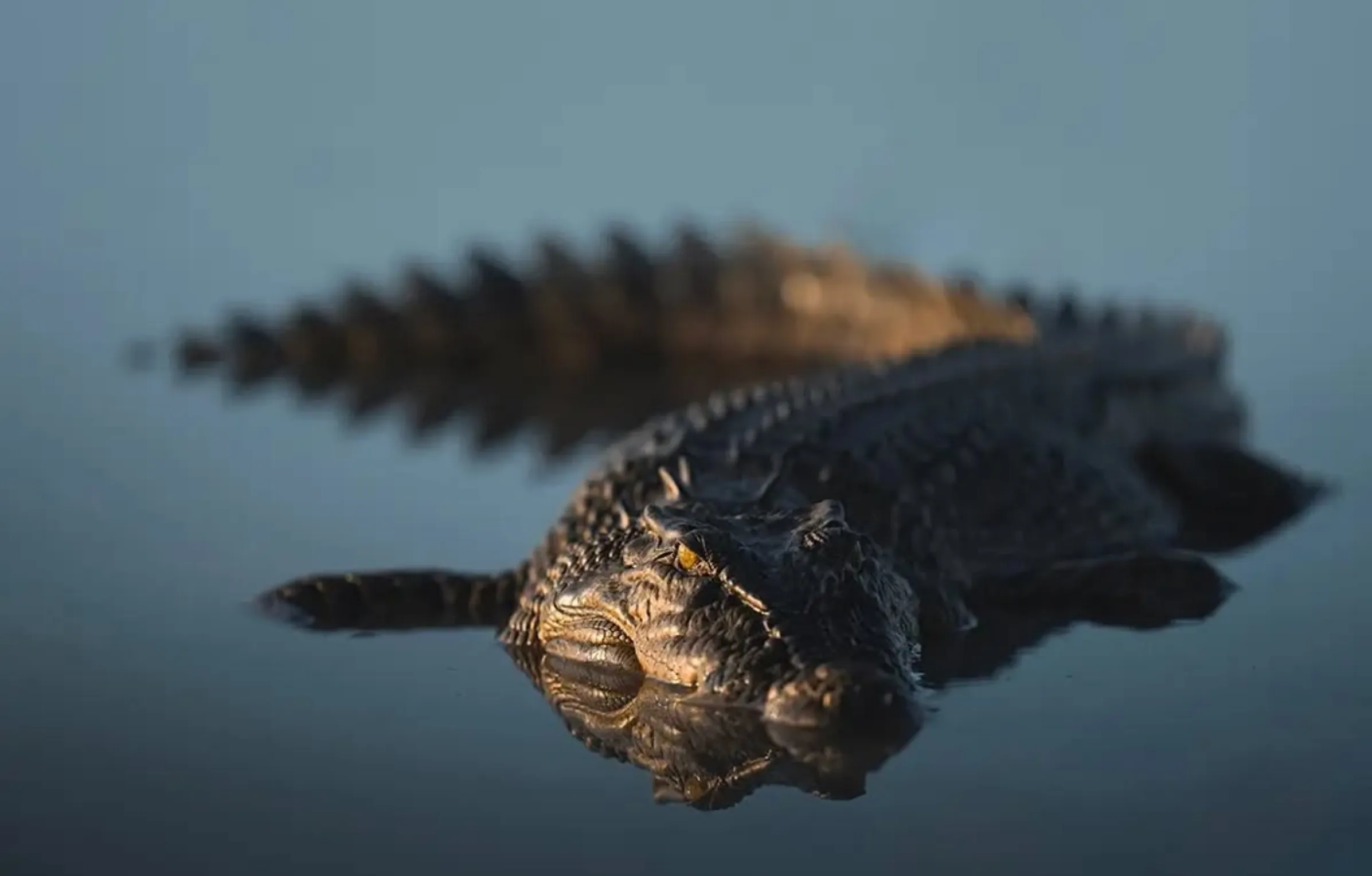
Wildlife such as saltwater crocodiles, which rely on a balance of salt and freshwater systems, are also affected as breeding and feeding patterns change with changing salinity and water availability.
Impacts on Biodiversity and Native Species
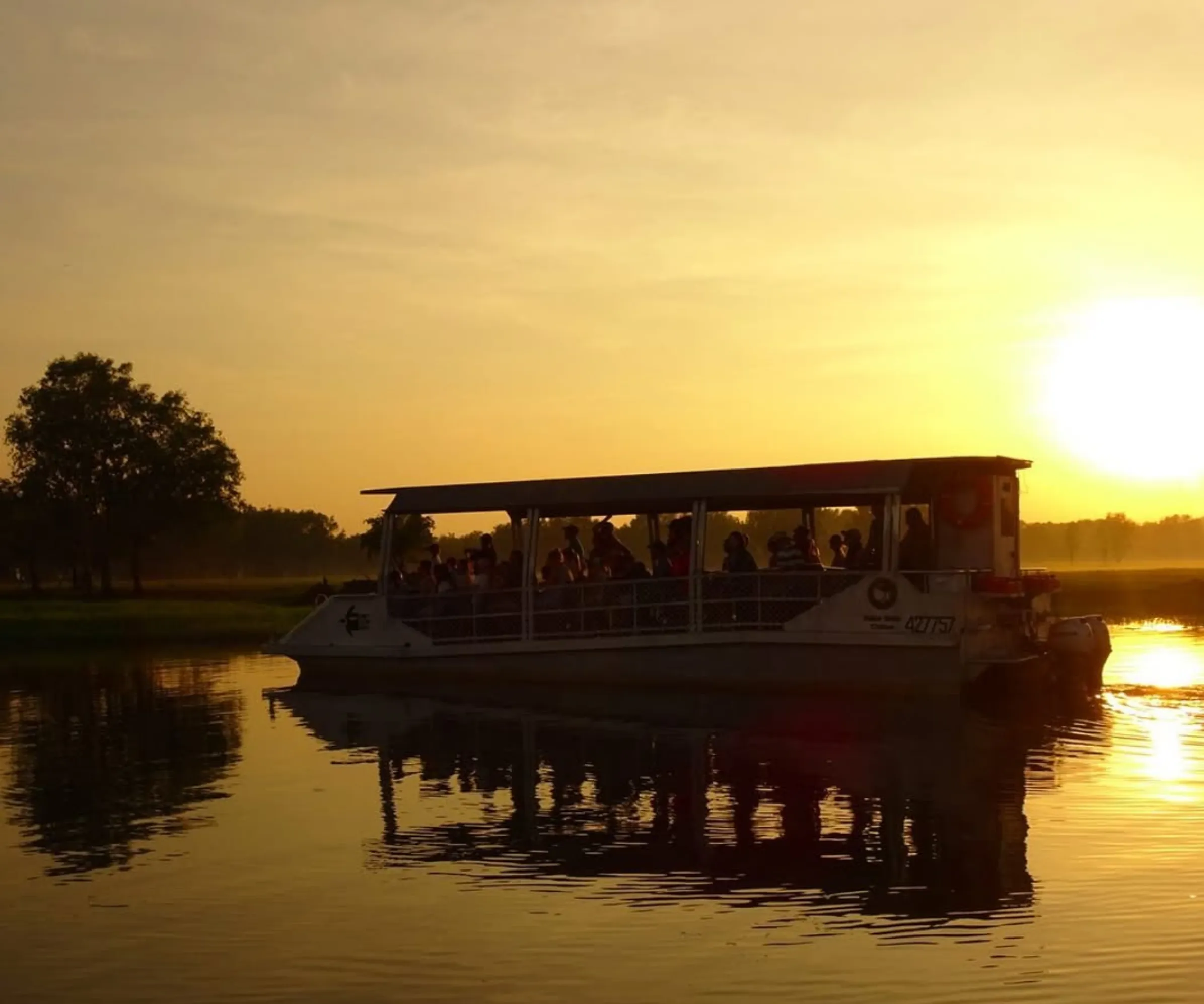
Kakadu has so many plant and animal species, including:
- 280 bird species
- 60 mammal species
- 25
- 120
- 25 frog species
- Thousands of plant species
Changes to rainfall patterns, temperature and habitat availability threaten species resilience. Invasive pressures from feral animals (like Asian water buffalo) and invasive species (like aggressive floodplain weed invasion) make it worse. Climate change scenarios show a decline in biodiversity without management actions.
The Department of Climate Change and National Park Climate Change Strategy say we need careful management, long term monitoring programs and changes to management regimes to preserve ecological balance.
Cultural Significance and Aboriginal Land
Kakadu is a cultural landscape. Traditional Owners have looked after these lands for more than 65,000 years. Rock carvings, sacred sites and archaeological sites across Kakadu tell stories that blend deep history and bush tucker knowledge with environmental management.
Climate-related events like intense rainfall events, erosion and heat damage now threaten these cultural values. Some rock art sites are deteriorating faster due to rising humidity and changing aspects of climate. Traditional knowledge, which is central to land management,t is now being combined with scientific approaches under a joint management system.
Wet Season Disruptions and Tourism Impacts
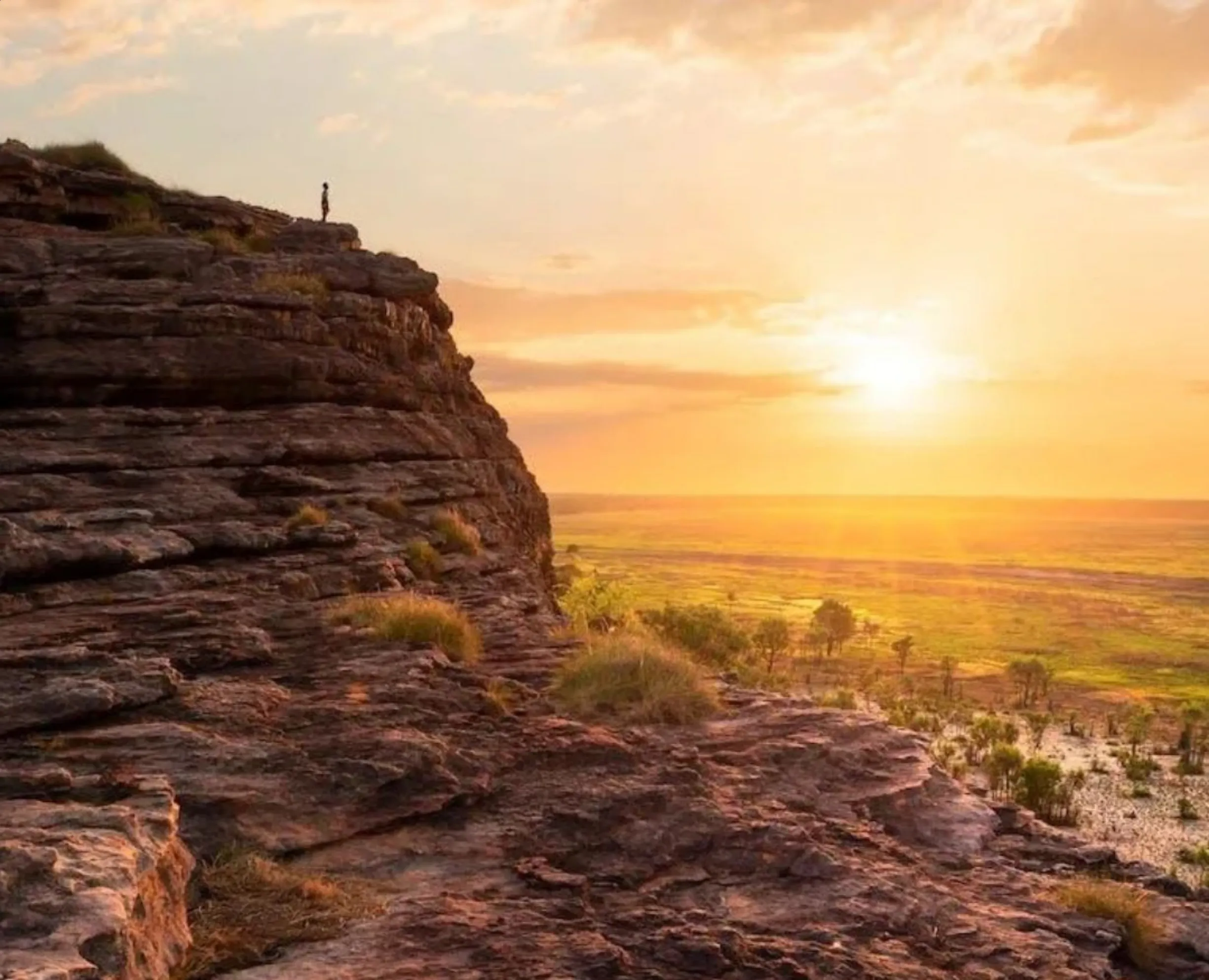
Kakadu’s wet season used to be the highlight of the year, but it has become more and more unpredictable. Extreme weather events like floods and cyclones cause road closures, creek crossings and camping trip route issues. This affects not only the tourism industry logistics but also the ability of Indigenous communities and human communities to live and work in sync with nature.
Sites like Cahills Crossing, Muirella Park and Yellow Water Boat Ramp can close without notice. 3 day Kakadu tours from Darwin and other guided tours must adapt to sudden disruptions. Travellers booking a Darwin tour to Kakadu during the wet season should check conditions regularly and contact tour operators for itinerary updates.
Conservation and Management Responses
Parks Australia, in conjunction with Aboriginal owners, have a climate change strategy. These management strategies include:
- Acknowledgment by park management of climate risks
- Revised fire management practices to reduce fuel loads
- Controlling invasive weeds and feral animals
- Monitoring changes in vegetation communities
- Protecting environmental and cultural values
- Integrating waste management and eco-tourism awareness
- Using the Australasian Inter-service Incident Management System for coordinated disaster responses
The park’s approach to biodiversity management combines customary knowledge and scientific planning to create an environmental management plan. The Indigenous Employment Program ensures that management response includes long-term job pathways and cultural leadership.
What You Can Do as a Visitor
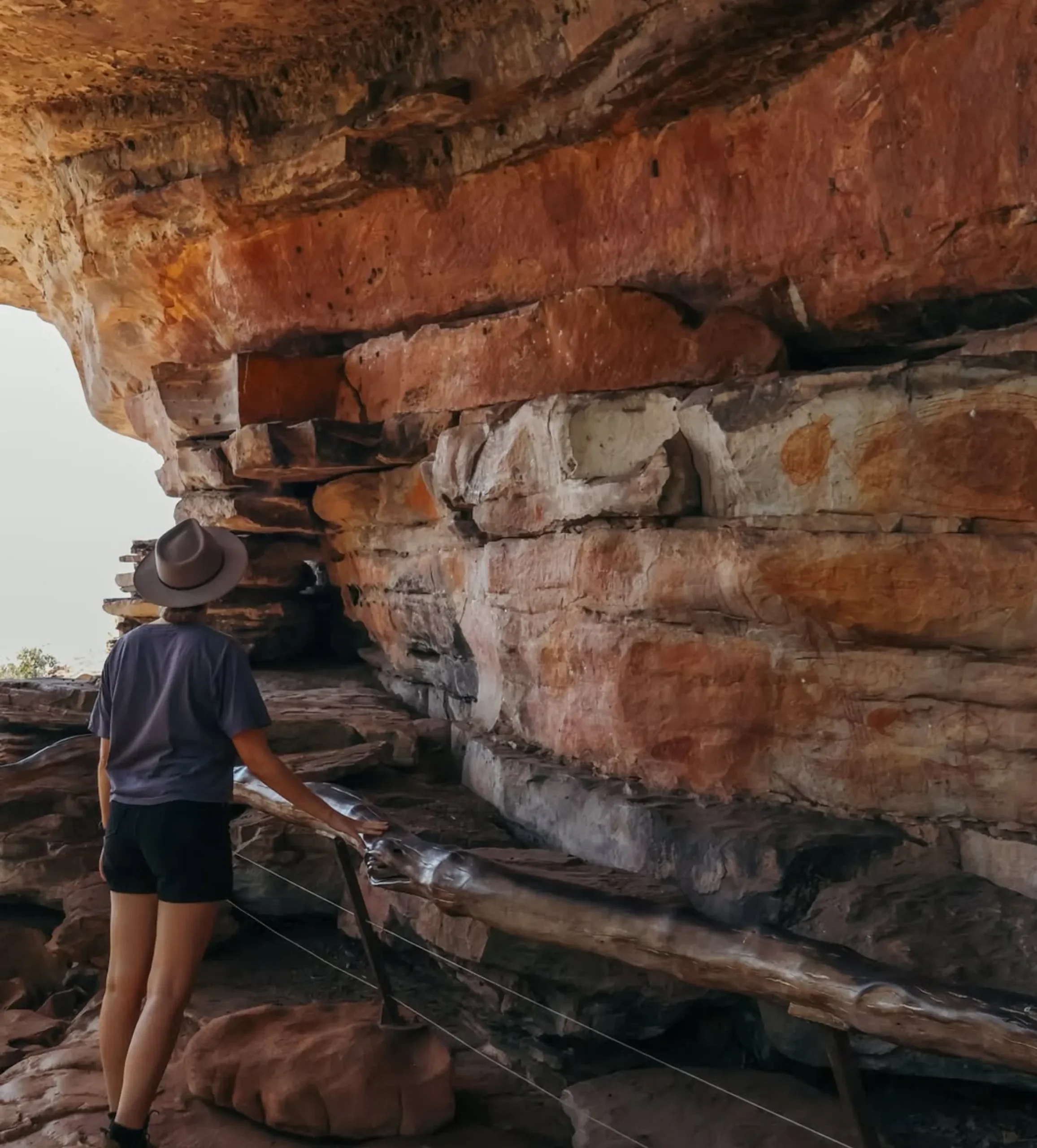
As one of Australia’s top tourist spots, Kakadu asks visitors to respect cultural protocols and support conservation reserves. You can help by:
- Booking eco-certified Kakadu National Park tours
- Learning from local guides about traditional knowledge
- Conserving water and power at campsites
- Avoiding single-use plastics and practicing waste management
- Understanding park management issues
Your awareness and actions count. Whether exploring rock formations, spotting saltwater crocodiles, or joining 3 day Kakadu tours from Darwin, travel with respect and purpose to help preserve Kakadu’s natural wonder.
FAQ
What are the effects of climate change on Kakadu?
Rising sea levels, wetland salinisation, temperature increases, loss of biodiversity, cultural site degradation.
How is saltwater intrusion affecting Kakadu’s wetlands?
Saltwater intrusion is turning freshwater habitats into brackish water zones, killing vegetation and displacing native animals.
What are park management strategies to combat climate change?
Management response includes climate monitoring, fire control, invasive species removal, and partnerships with Traditional Owners.
How are Aboriginal communities involved in climate response?
Traditional Owners lead daily management, land management and cultural conservation through joint management systems.
What can tourists do to reduce their climate impact?
Use eco-friendly operators, follow cultural guidelines, minimalise waste and support climate-conscious tourism like responsible Kakadu National Park tours.